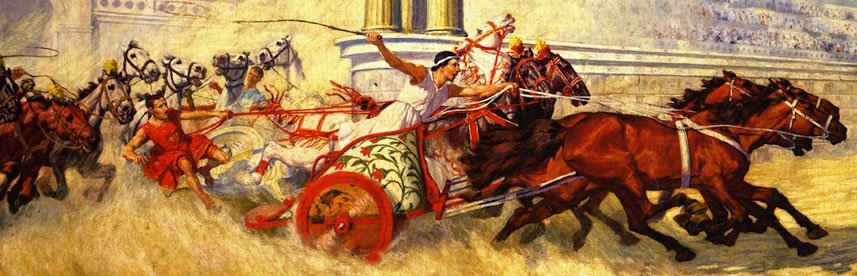
For one thousand, five hundred years the ancient Greek and Roman Empires saw one event that was dominant in the lives of everyone in both empires.
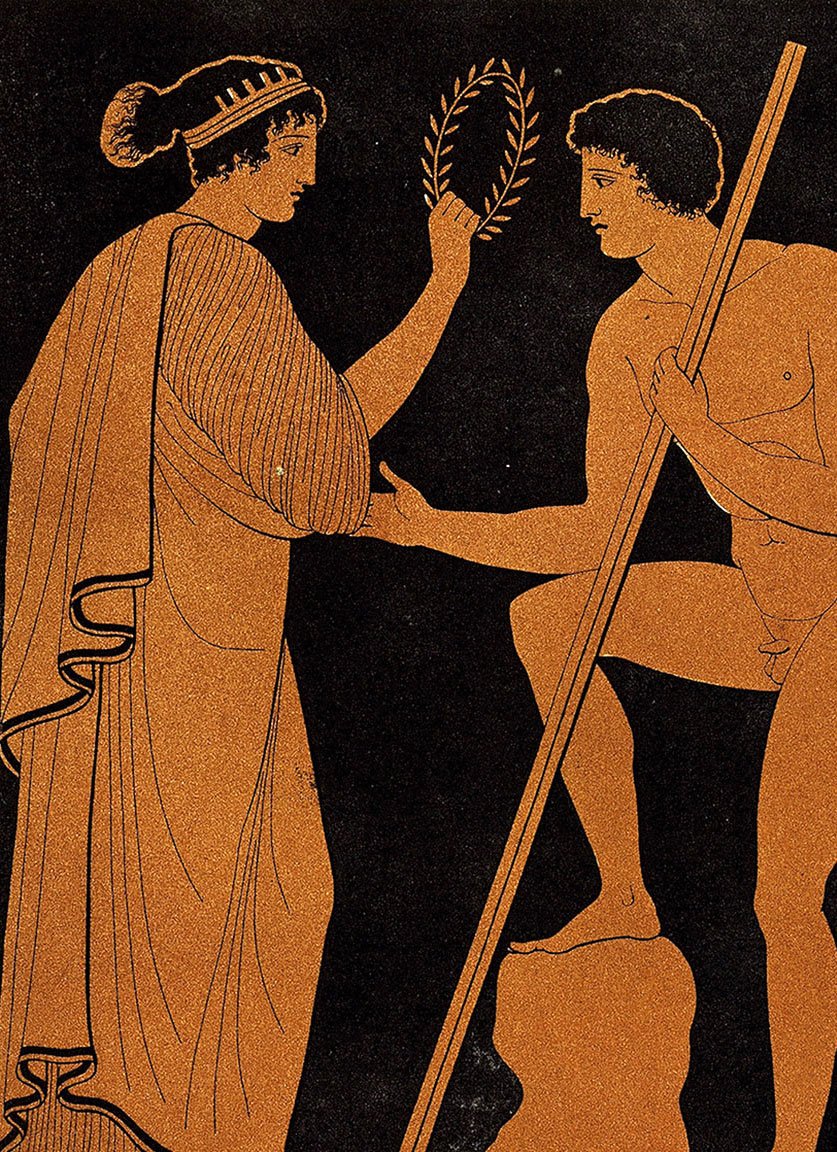
The first Olympics was won by a cook in 776 BC and the games were eventually suppressed, either by Theodosius I in AD 393 or his grandson Theodosius II in AD 435, as part of the campaign to impose Christianity as a state religion. The site of Olympia remained until an earthquake destroyed it in the sixth century AD.
‘Olympia’ the television series will draw the audience into the world of those heroic athletes during the times of the ancient Olympics. ‘The games, steeped in honour, ritual, superstition, brutality, decadence, competition, sacrifice, mythology, corruption, sensuality and heroism, attracted competitors and spectators from across the known world.
This was a world in which spectacular, superhuman endeavours, as well as superstitions and brutality, were considered the norm. Mythology and the rites to the ancient gods played an integral part in society. The festivals, the laurel crown competitions as well as the “money games” will be featured. The events to be depicted include the Pentathlon, which consisted of five competitions: The Stadion (stadium racing); The Diskos (discus throw); The Halma (long-jump); The Akon (javelin throw); and The Palé (Wrestling). Two of these events, stadium racing and wrestling, were also independent events. Another event, the Pankration featured a dangerous brand of wrestling and the competitors had to endure severe damage and learn holds by which one who had fallen could still win; competitors had to be skilful in various types of strangulation. Among the other events to be enjoyed were: Footraces, Boxing, the Hippikos Agon (Horse Races) and Bull jumping.’ The series will highlight the rigours of training and the brutality of competition where the choice was, on many occasions, death before dishonour.
Binding all this together; our damaged hero Apollodoros, a charioteer, fighting with his demons and striving to find peace of mind and reclaiming future glory. He discovers the journeys that were undertaken by his predecessors, their trials and sacrifices. We are introduced to heroes like: Milo; Polydamas of Skotoussa in Thessaly; Kyniska daughter of the king of Sparta; Diagoras and his family from Rhodes and Theagenes of Thasos.
Apollodoros, a young charioteer, recovers from his wounds and the tragic events of his last race. Seeking escape he is drawn into the web of political intrigue and double dealings by two politicians, Thymotes and Euryleon.
Marzieh, a female slave of Middle-Eastern and Indian origin, seeks to asset herself, despite her situation.
Their paths cross and an adventure begins that sees them both discovering truths and tales of glory, that leads to their own peace and achievement in their respective goals.